Translate

Browse by Topic

Featured

Part 2 - Why Rajasthan Built Cities Around Wells

When British officers began travelling through Rajasthan in the nineteenth century, they expected to find forts, palaces, and temples. Instead, they found entire structures built below ground. At places like Abhaneri, hundreds of stone steps descended deep into the earth. Some were larger than many buildings above them. To modern eyes, they looked almost impossible. Why would anyone invest so much effort in architecture that was largely hidden from view? The answer was water. For centuries, communities across western India faced a problem that remains familiar today: long dry seasons and unreliable rainfall. Their solution was the stepwell. In western India, stepwells became an essential response to hot, semi-arid conditions and unreliable rainfall, allowing communities to store monsoon water for use throughout the dry season.  Known variously as baoris, baolis, vavs, or vapis, these structures collected monsoon water and kept it accessible throughout the long dry months of the yea...

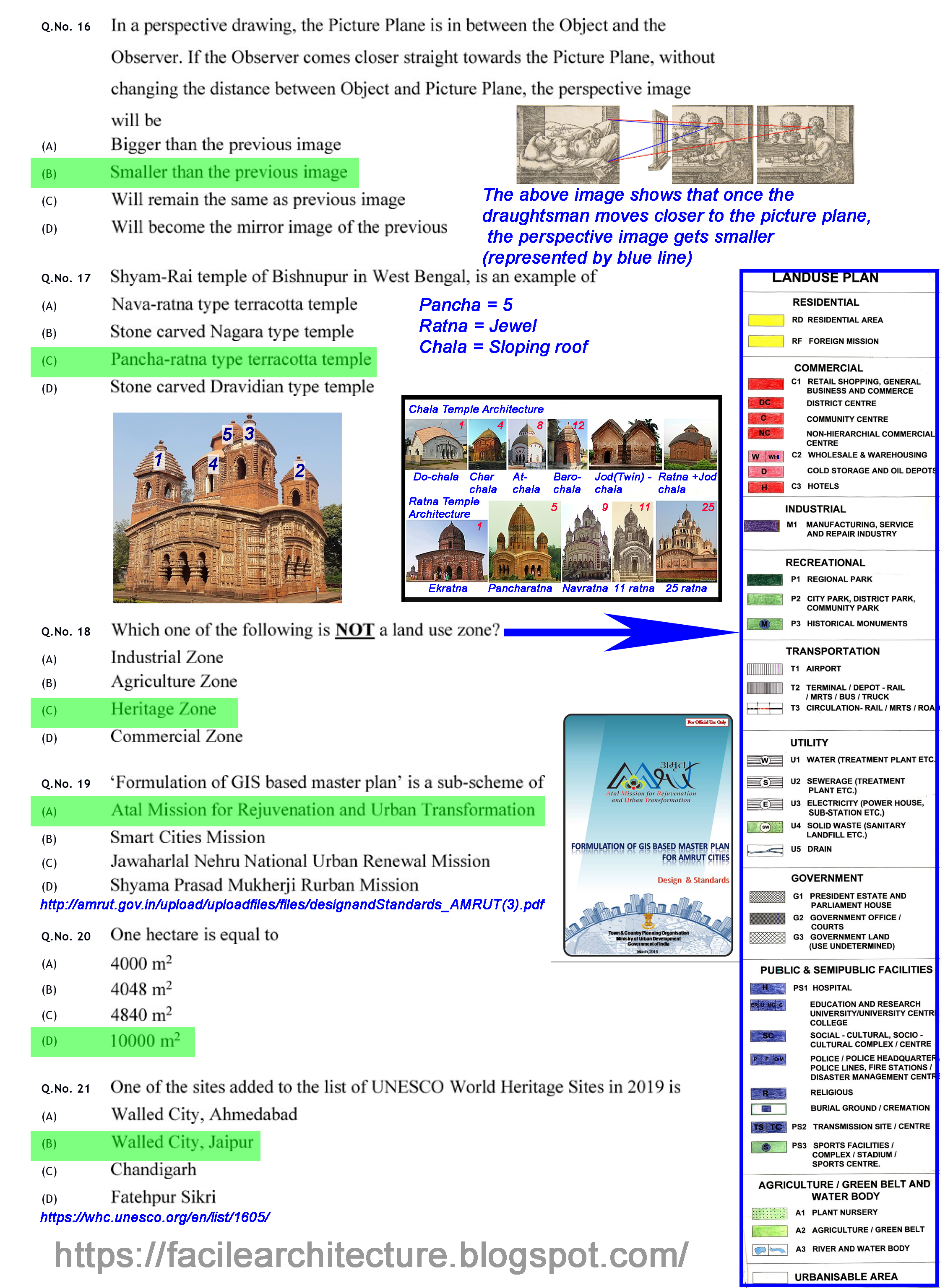
GATE ARCHITECTURE 2020 PART 1


For Q. 19 Refer Formulation of GIS based Master plan

For Q.21 Refer Unesco World Heritage 


Hope you enjoyed the article | Click here to follow the blog
Click here to read similar posts 
Click here to see my substandard artwork 🙈

Comments

Did you enjoy this post?

Popular Posts